Understanding the risk spectrum
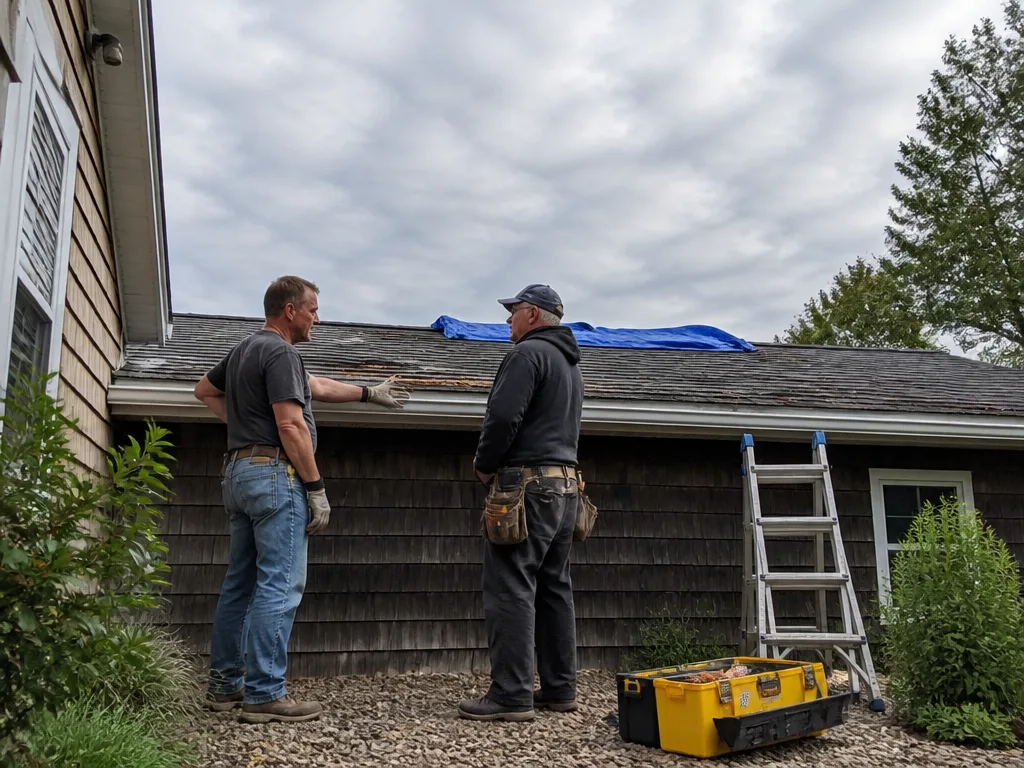
In Delaware, a lot of small roof fixes seem doable with a ladder and a few tools. A few quick staples or sealant patches can buy you time, but they aren’t long term solutions. Roofers know how to address underlying causes rather than just the surface. The goal is to prevent further damage and keep your home dry through the next season.
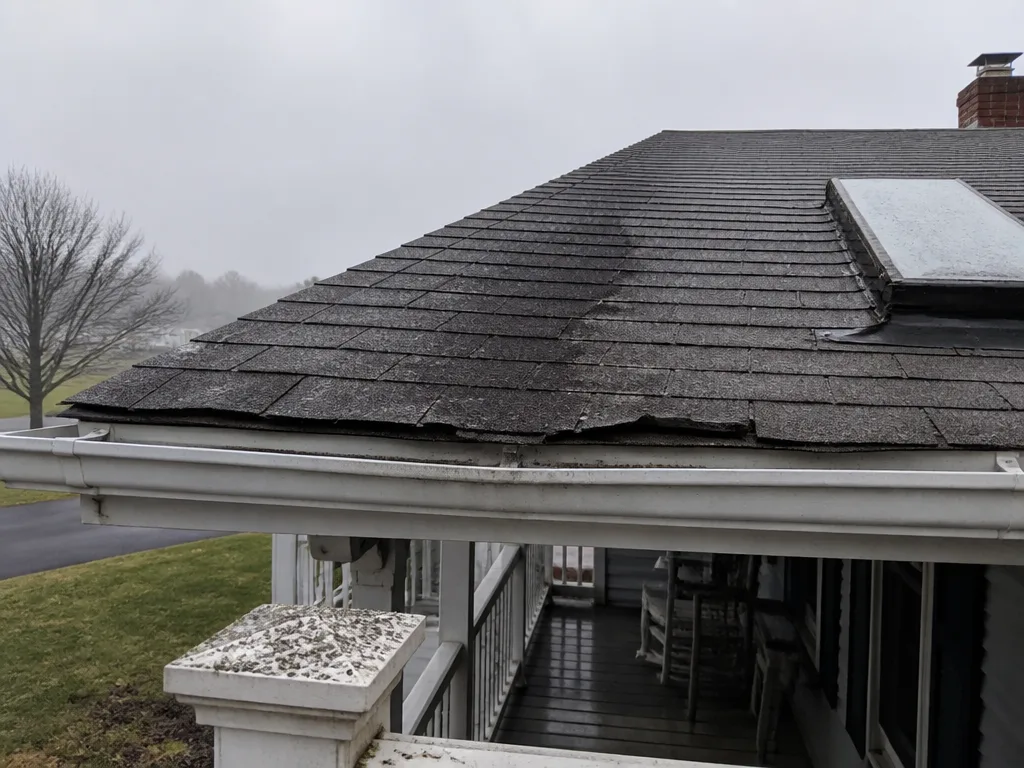
Our crews in Delaware see issues that look minor but hide bigger problems, like flashing that’s pulling away or underlayment that’s torn. A quick patch might fail when ordinary rain returns. The right choice is to differentiate a temporary fix from a proper repair or replacement that matches Delaware weather patterns.
When a DIY fix is enough
Minor, superficial issues can sometimes be handled by a homeowner. For example, resealing a small surface crack in a non-structural area or replacing a few damaged shingles with matching pieces can be appropriate if you’re confident, you have the right tools, and you can safely reach the area. If you decide to DIY, limit your scope to visible, easy-to-access spots and avoid touching steep slopes or hidden flashing.
Document your work with photos, keep a log of what you did, and know when to step back if moisture returns. It’s also wise to schedule a professional inspection after any DIY work to verify there’s no hidden damage.
When to call a pro
Call a Delaware roofer when you see active leaks, widespread shingle damage, sagging sections, or persistent moisture in the attic after rain. If you’re unsure about the extent of damage, a professional assessment saves time and prevents risk. Our team can assess the scope, explain the options, and help you understand the best course for your home across Delaware.
Professional work in Delaware focuses on proper installation and durable repairs. We’ll address flashing, underlayment, and ventilation as part of a single, coordinated plan rather than quick patchwork. That approach helps your roof stand up to our seasonal weather and keeps your home safe for years to come.
What our inspections cover
- Shingle condition and alignment
- Flashings around vents and chimneys
- Ventilation and attic moisture balance
- Deck integrity and water barriers